
Choosing the best time to visit Sharm el Sheikh
The best time to visit Sharm el Sheikh depends on your main activity. A day on a reef boat, time around the Old Market and a mountain programme make different demands on your plans. Start by choosing the activity that matters most, then compare the season around it. The older WMO climate normals show a clear contrast between hotter summer and cooler winter conditions, but do not predict your travel dates.
Our editorial reading of that contrast is to consider spring and autumn when balancing sightseeing with time by the sea. This is a planning judgment, rather than a promise of comfortable conditions or a particular sea state. The weather page provides the complete monthly figures and explains their older reference period, so you can use them with the right context.
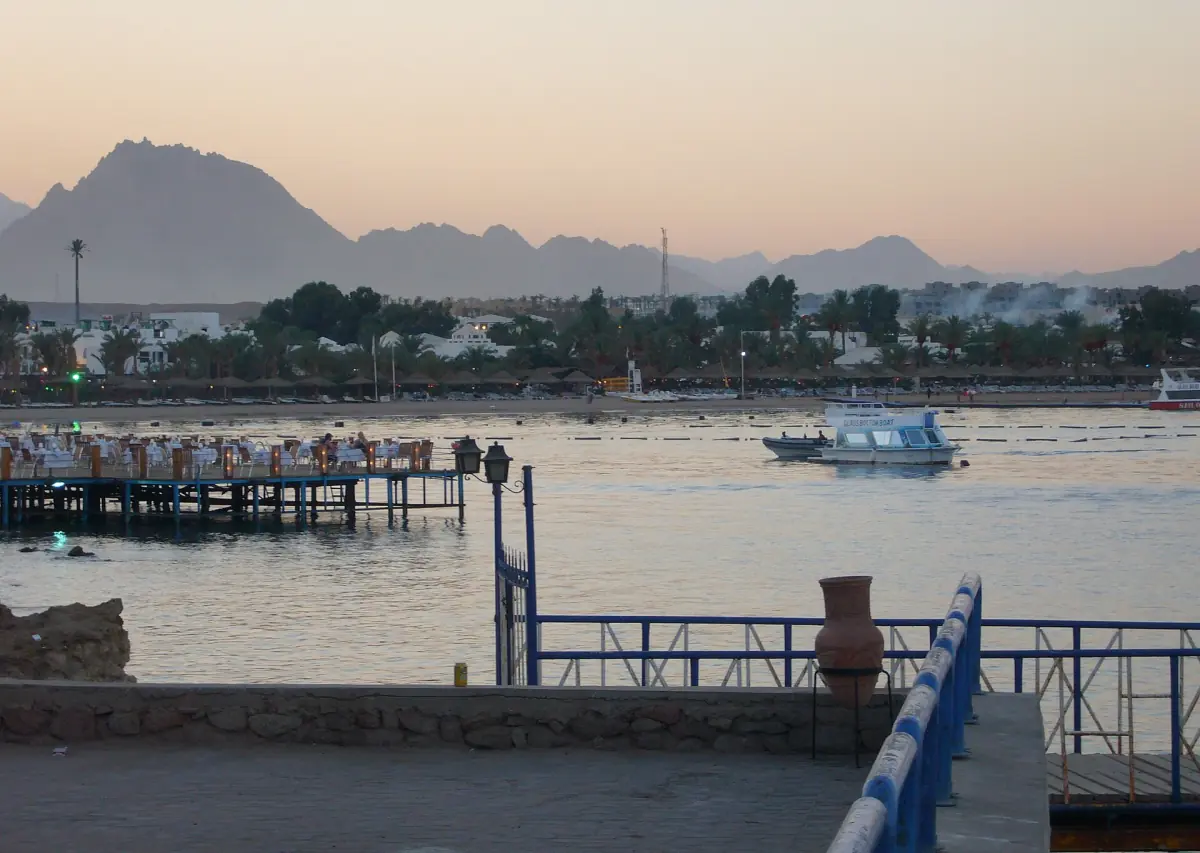
Reef boats and the season
A local dive operator describes diving as a year-round activity and winter as its windiest season. These are the operator's seasonal observations. Its daily destination choices take weather, sea conditions and the group's experience into account. Give your reef day some room in the wider itinerary and follow the actual arrangements for the outing, rather than choosing a month as if it guaranteed a route.
The Strait of Tiran and Ras Mohammed are distinct areas. Tiran trips concern the strait and its reefs; White Island lies off Ras Muhammad, where the sandbank is visible only at low water. A seasonal preference does not settle which reef will be visited or whether the sandbank will be visible. Choose the area for its programme and keep the conditions on the day in view.
A trip on the water
This Tiran reef outing includes lunch and hotel pickup; check the weather for your date.
Hand-picked tours, booked through Viator. Prices are indicative starting prices in US dollars (as of October 2026). Tap a tour for live availability and the current price in your currency.
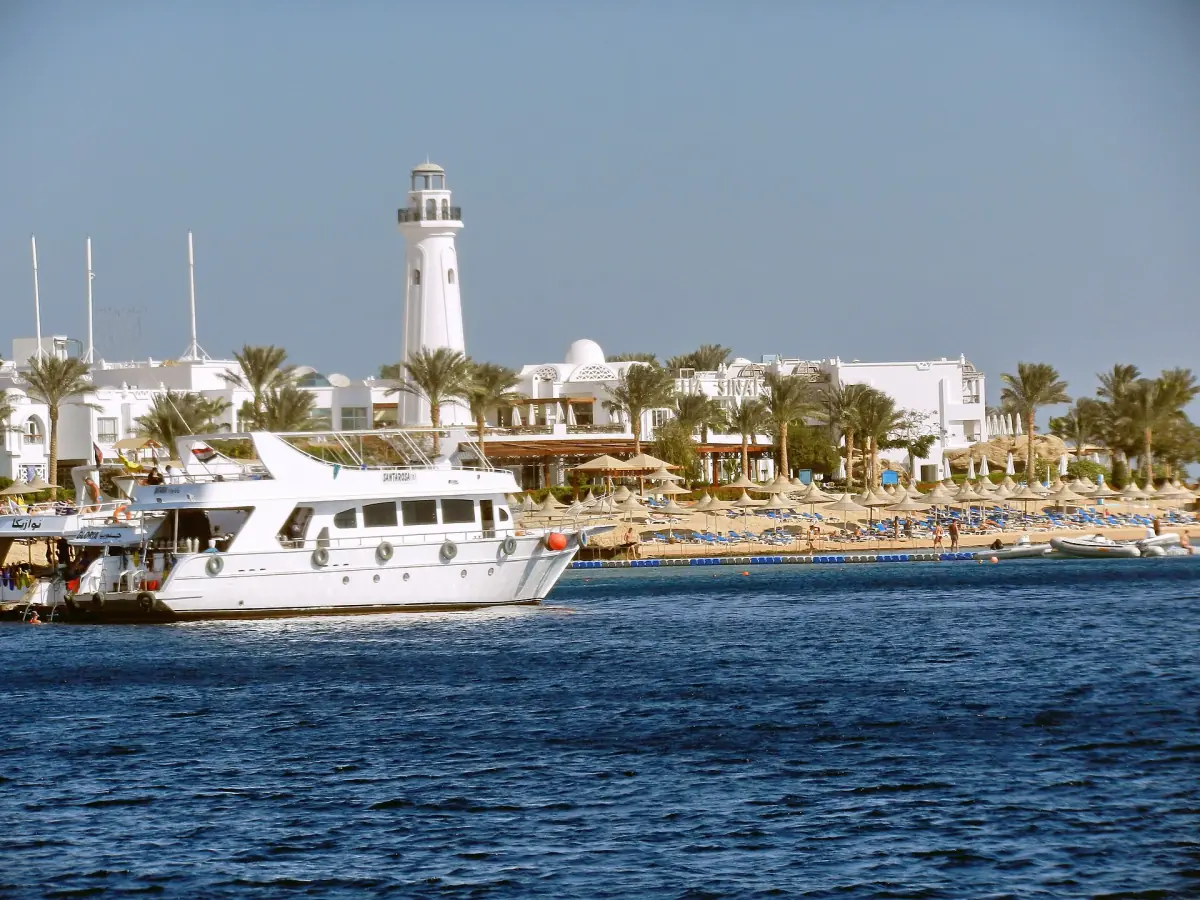
Plan a Tiran snorkeling outing
A day with hotel transfers, two snorkeling stops, an instructor, buffet lunch and drinks, subject to conditions at sea.
A Tiran snorkeling day to plan around
The featured Tiran outing includes hotel pickup and drop-off, two snorkeling stops in the Tiran area, an instructor, buffet lunch, water, coffee, tea and soda. It is a concrete example of a day at sea to fit into a wider trip. Choose it for the snorkeling programme and included transport and meals, while keeping the route dependent on conditions.
If your main interest is spending time in the water, give that activity priority when arranging your days. The snorkeling guide compares shore and boat approaches, and the boat tour guide helps distinguish the formats. A month can help you think about the season; the programme's actual arrangements determine how you spend the day.
Summer, winter and days on land
Summer is markedly hotter than winter in the historical air-temperature series. If you are planning city visits and a desert programme, consider how much time you want outdoors and how much activity you prefer within a day. Choose a programme that matches those preferences instead of filling every available period. For a first visit, leaving time between outings also makes it easier to decide what you want to repeat.
Winter offers a different balance for land sightseeing, alongside the local operator's assessment of greater wind. City time, a desert evening and a reef boat are different choices within that balance. Use the desert safari page to distinguish a shorter quad outing from an evening programme. For a mountain day or night ascent, read the Mount Sinai and monastery guide and choose the actual itinerary separately from a coastal climate comparison.
Sharm el Sheikh in December
December belongs to the cooler part of the historical air-temperature cycle. It can therefore enter the shortlist for a trip that gives substantial time to city visits and land outings. For the exact December air figures, their definitions and reference period, use the dedicated December weather section. Keep the distinction between a historical monthly average and a forecast for your dates.
For a December boat day, consider the wind and the arrangements for your chosen activity as well as the air temperature. A mild-looking monthly air figure does not describe the sea or the time spent wet on a boat. Decide how much flexibility you want around water activities, and balance them with the city visits that interest you. That makes December a considered activity choice rather than a general guarantee of beach conditions.
Frequently asked questions
Which season is worth considering for sightseeing?
Spring and autumn are our editorial starting points when balancing land visits and time by the sea, based on the contrast in the historical air-temperature series.
Are winter boat routes guaranteed?
Daily destinations depend on weather, sea conditions and experience. A local operator describes winter as its windiest season.
Where are the December temperature figures?
The weather page carries the full monthly table, including December, with the older WMO reference period and an explanation of what the averages mean.